
iPhone 18 Pro may bring DSLR style variable aperture camera: How it could transform photos in low light, portraits and bright daylight
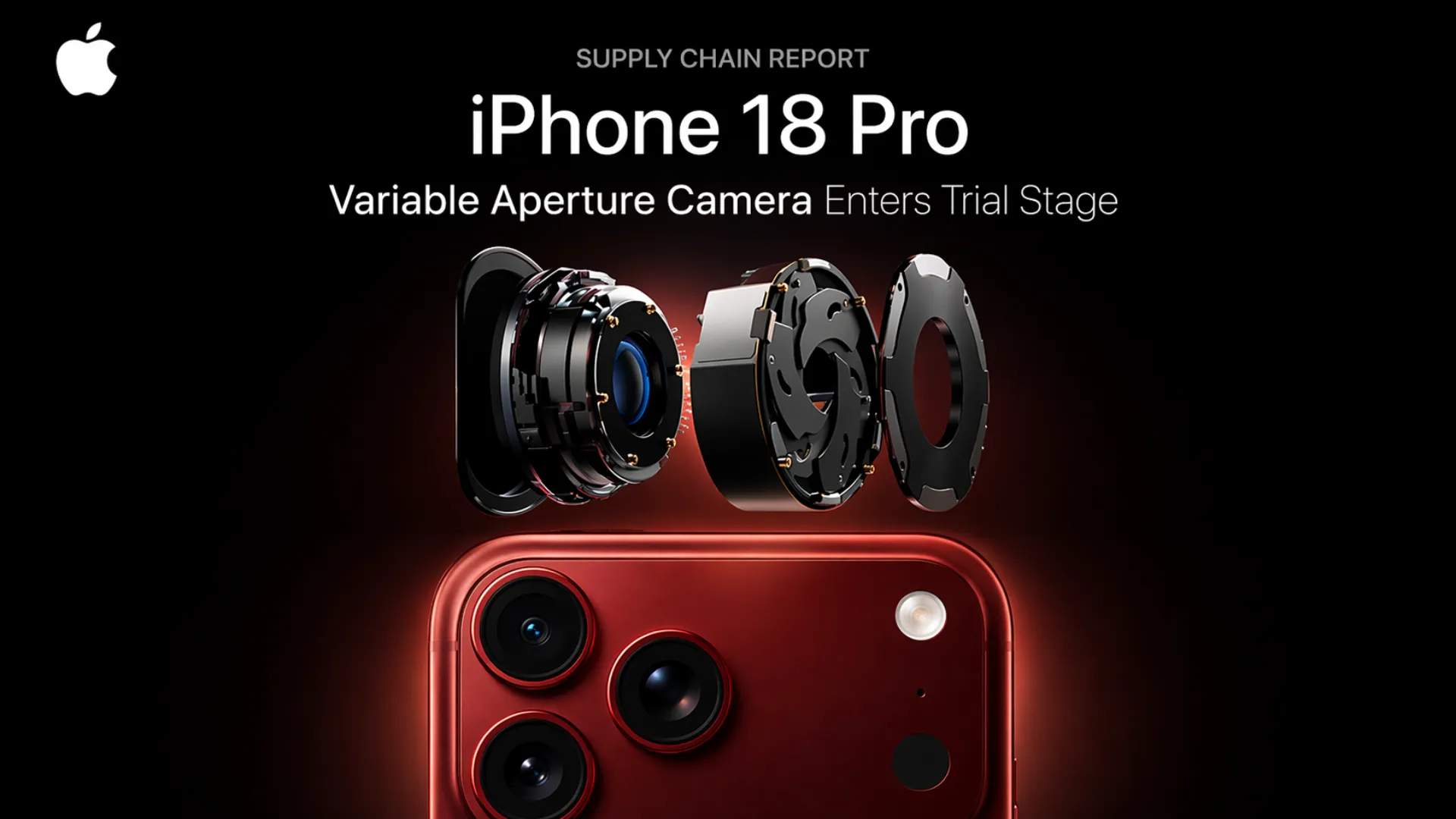
Apple may be preparing one of the most meaningful iPhone camera upgrades in years. Fresh supply chain reports suggest the upcoming iPhone 18 Pro could feature a variable aperture camera system, a hardware change that would allow the lens opening to adjust depending on lighting conditions and shooting needs.
If introduced, it would be the first time Apple adds variable aperture technology to an iPhone. While smartphone cameras have improved through larger sensors, better image processing and advanced software tools, iPhone Pro models have continued to rely on a fixed main camera aperture. That may soon change.
The reported move is significant because aperture directly affects how much light reaches the sensor and how much of a scene remains in focus. In practical terms, it could improve portraits, low light photography and difficult outdoor shots in ways software alone cannot fully replicate.
Why this matters for iPhone users
Current Pro iPhones use a fixed wide aperture, meaning the lens stays at the same opening whether you are taking a photo inside a dim restaurant or under harsh midday sunlight. Apple then uses computational photography to manage exposure, sharpness and dynamic range.
A variable aperture system would add physical lens control before software processing begins.
That means the camera could open wider in dark scenes to capture more light, then close down in bright scenes to better control highlights and improve overall sharpness. Instead of relying only on software corrections after capture, the phone would improve the image at the optical level first.
For users, this could result in more natural photos, cleaner detail and stronger consistency across different lighting conditions.
Better low light photos without heavy processing
Low light photography remains one of the toughest challenges for smartphones. Even with Night mode, phones often need longer exposures, multiple frames and aggressive processing to brighten a scene.
With variable aperture, the main lens could open fully in darker conditions, allowing more light to reach the sensor instantly. This can reduce noise, preserve texture and help the camera use faster shutter speeds.
In real world use, users may notice sharper indoor photos, clearer evening shots and better results in restaurants, streets and family gatherings where lighting is limited.
Apple would still use image processing, but it would be working with stronger source data.
Portrait photos could see the biggest improvement
Portrait photography may be where this upgrade matters most.
Today, iPhones create background blur largely through software depth mapping. While Apple’s Portrait mode is advanced, it can still struggle with fine edges such as hair strands, eyeglasses, transparent objects or overlapping subjects.
A variable aperture lens can create real optical blur instead of simulated blur. That means background separation may look more natural, with smoother transitions and fewer edge mistakes.
For users who shoot portraits, pets, food or products, this could be a major step forward. Instead of relying only on algorithms, the lens itself would help shape the depth effect.
That would move iPhone photography closer to the look people associate with dedicated cameras.
Bright sunlight and outdoor scenes may improve too
Very bright environments can be difficult for phone cameras. Beaches, snow, city skylines and backlit outdoor portraits often create strong contrast between highlights and shadows.
A narrower aperture in these scenes can reduce overexposed areas before the image reaches the sensor. It can also improve edge sharpness across the frame.
For travellers and everyday users, that could mean cleaner landscape shots, more balanced skies and better outdoor photos without needing edits later.
What remains unknown
While reports suggest Apple suppliers are preparing parts linked to aperture control systems, several key details remain unclear.
The first unknown is whether Apple will offer only two aperture positions or a more advanced multi step continuous system. A wider range would give users more creative flexibility and better scene adaptation.
The second unknown is how Apple will present the feature inside the Camera app.
Apple could make it automatic for all users, allowing the phone to choose the best setting. It could also provide manual control for advanced users through Pro modes or special settings.
That decision may determine whether variable aperture becomes a mainstream upgrade or a niche feature appreciated mainly by enthusiasts.
It will not replace professional cameras
Even if Apple introduces variable aperture, physics still matter. Smartphones use smaller sensors than dedicated mirrorless or DSLR cameras, which means they cannot fully match the background blur and light gathering ability of larger camera systems.
However, this feature could narrow the gap in important everyday situations.
For millions of users who rely entirely on their phones for photography, even modest optical improvements can have a major impact.
Why this could be Apple’s most practical camera upgrade in years
Many smartphone camera launches focus on megapixels, AI tools or editing tricks. Variable aperture would be different because it improves how light enters the lens before software takes over.
That makes it a foundational camera change rather than just another software feature.
If Apple launches the iPhone 18 Pro with this technology, it may become one of the most meaningful reasons to upgrade for users who care about photography.
The real test, however, will come after launch. Users will want to know whether Apple gave everyone easy access to the feature or kept it hidden behind advanced settings.
Either way, the first iPhone with variable aperture could mark the beginning of a new era for mobile photography.
Edit Profile
Help improve @KR

Was this page helpful to you?
Contact Khogendra Rupini
Are you looking for an experienced developer to bring your website to life, tackle technical challenges, fix bugs, or enhance functionality? Look no further.
I specialize in building professional, high-performing, and user-friendly websites designed to meet your unique needs. Whether it's creating custom JavaScript components, solving complex JS problems, or designing responsive layouts that look stunning on both small screens and desktops, I can collaborate with you.
Create something exceptional with us. Contact us today
Open for Collaboration
If you're looking to collaborate, I'm available for a variety of professional services, including -
- Website Design & Development
- Advertisement & Promotion Setup
- Hosting Configuration & Deployment
- Front-end & Back-end Code Implementation
- Code Testing & Optimization
- Cybersecurity Solutions & Threat Prevention
- Website Scanning & Malware Removal
- Hacked Website Recovery
- PHP & MySQL Development
- Python Programming
- Web Content Writing
- Protection Against Hacking Attempts